
Article: I Never Bought Candles, But That Changed
I Never Bought Candles, But That Changed
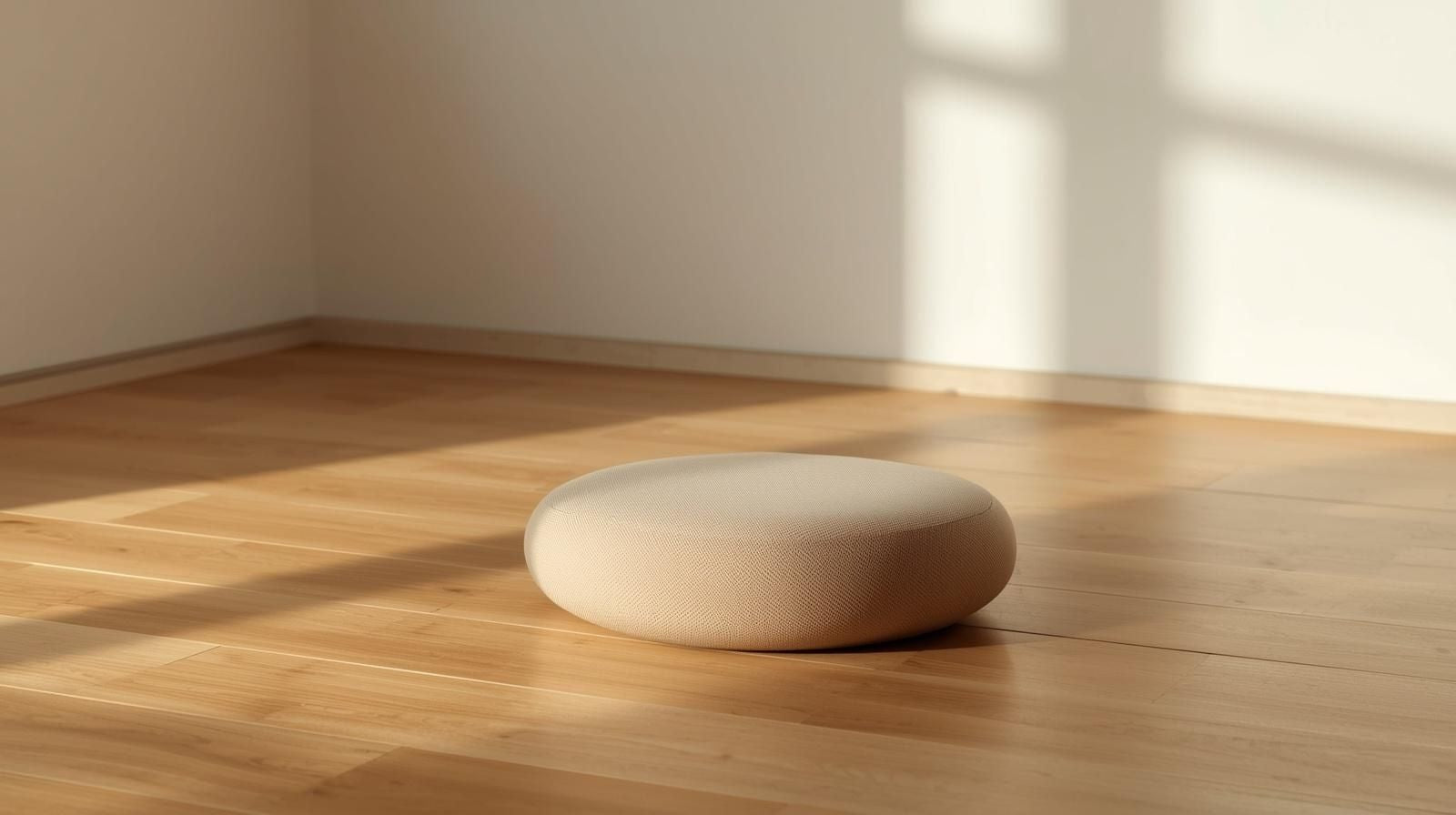
For most of his adult life, Daniel considered candles decorative at best and unnecessary at worst. As someone who had maintained a daily meditation practice for over six years, his routine was already dialed in. A cushion. A timer. Silence.
"I never understood what a candle would add," Daniel says. "My practice was about subtraction. Removing noise, removing stimulation, removing distraction. Adding a scented product to that felt counterintuitive."
He was not wrong to be skeptical. Most candles are designed to dominate a room, not support a practice. And most candles are made with synthetic fragrances that introduce the very pollutants a wellness-minded person spends their life trying to avoid.
So Daniel never browsed the candle aisle. He never received one as a gift. Candles simply did not exist in his world.
The Missing Signal
What Daniel did notice, after years of sitting, was a subtle inconsistency in his practice. Some sessions were focused and grounded from the first breath. Others took twenty minutes before his mind would settle. The variables were hard to isolate. Same cushion. Same corner of the room. Same time of morning.
"I started paying attention to what was different on the good days versus the difficult ones," Daniel explains. "I realized it had nothing to do with my technique. It had to do with the transition. On good days, something signaled to my nervous system that it was time. On difficult days, I just sat down and hoped for the best."
He had read about anchor cues in habit-formation research: a specific sensory input that tells the brain a particular behavior is about to begin. Athletes have pre-game rituals. Surgeons scrub in. Writers open the same notebook. The cue is not the practice. The cue is the bridge between the rest of your life and the practice itself.
Daniel did not have a bridge. He had a timer.
A Tool, Not a Product
A fellow practitioner in his meditation group mentioned The Hours Collective. Daniel was skeptical, but what caught his attention was not a scent or a brand. It was a number.
"She said her candle lasted a hundred hours. A hundred hours is not a candle. A hundred hours is almost four months of daily sits. That is a meaningful span of practice."
He chose the Meditation Collection. When it arrived, he read the label. Five ingredients. Organic coconut oil. A wood wick. Three essential oils he could pronounce and verify. No synthetic fragrance. No paraffin. No chemical fixatives.
The First Sit
The first morning, Daniel lit the candle before settling onto his cushion. The wood wick crackled once and steadied into a low, rhythmic pulse. The scent was faint, grounding, and unfamiliar in its restraint.
"It did not smell like a candle. It smelled like a room where something intentional was about to happen. The wood crackle became my anchor cue. Within a week, the moment I heard it, my breathing changed. My shoulders dropped. The transition I had been missing for years was a three-second sound."
He did not need twenty minutes to settle. The bridge was built.
100 Hours Later
Daniel finished his candle in just under four months. He followed the Quick Clean Guide, removed the label, and the jar now holds a set of mala beads on the shelf beside his cushion.
"I never bought candles because I thought they were decoration," Daniel says. "This was not decoration. This was infrastructure. It solved a problem I had been working around for six years, and it did it without introducing a single ingredient I would not put in my body."
He has since started his second candle. Same collection. Same corner. Same crackle.
If Your Practice Is Missing a Bridge
You do not need a candle to meditate. But if your practice lacks a consistent sensory anchor, if some sessions land and others drift, the missing variable may not be your technique. It may be your transition.
Explore our Collection and find the bridge to your next 100 hours.